A long drive rarely goes wrong because of one dramatic fault. More often, it is a tyre that was already losing pressure, a battery nearing the end of its life, or a warning light that seemed easy to ignore before departure. Taking time to prepare car for long trips gives you a better chance of arriving safely, on time and without an expensive roadside surprise.
Whether you are driving from Harlow to the coast, heading across the country with the family or planning a European road trip, the same principle applies: check the parts of the vehicle that will be working hardest. A proper pre-trip inspection is not about finding work that does not need doing. It is about understanding your car’s condition and dealing with small issues before distance, heat, luggage and motorway speeds turn them into bigger ones.
Prepare car for long trips by checking the basics first
Start with the driver’s view of the car. Before opening the bonnet, look around the vehicle in daylight. Check for fresh fluid marks on the ground, damage to the tyres, loose trim, cracked lights and anything hanging beneath the car. A new noise, burning smell or vibration is also worth investigating before you commit to several hours behind the wheel.
Then turn on the ignition and check the dashboard. Warning lights should illuminate briefly and go out after the engine starts. If an engine management, brake, tyre-pressure, battery, coolant or oil warning remains on, do not assume it can wait until after your trip. Some warnings allow you to drive carefully to a garage; others mean you should stop. When in doubt, a diagnostic check provides a clearer answer than guesswork.
It is also sensible to check that your MOT is current and that your vehicle insurance, breakdown cover and driving documents are in order, especially if you are travelling abroad. These details will not prevent a mechanical fault, but discovering a lapse at the border or after an incident creates stress nobody needs.
Tyres deserve more attention than a quick glance
Your tyres are the only contact between the car and the road, yet they are easy to overlook. Long motorway runs build heat in the tyre, while a fully loaded car places extra demand on its sidewalls and braking grip.
Check tyre pressures when the tyres are cold, using the pressures specified by the manufacturer. The correct figures are usually shown in the handbook, fuel-filler flap or door frame. Many cars have a separate recommendation for heavier loads or sustained higher-speed driving. Do not use the maximum pressure printed on the tyre itself as your target.
Inspect every tyre, including the spare if your car has one. Look for cuts, bulges, embedded objects and uneven wear. The legal minimum tread depth in the UK is 1.6mm across the central three-quarters of the tyre, but for a long trip, particularly in wet weather, around 3mm or more provides a more comfortable safety margin. Uneven wear may point to an alignment, suspension or tyre-pressure problem, so replacing a tyre without addressing the cause can be false economy.
If your car uses a tyre repair kit rather than a spare wheel, make sure the sealant is in date and the compressor works. A repair kit is not suitable for every puncture, and it is far better to know what you have before you are stranded at the roadside.
Check fluids and look for leaks
The engine needs the correct levels of oil and coolant to cope with a long journey. Check the oil on level ground, following the procedure in your handbook, and top it up only with the correct grade. Too little oil risks damage; overfilling can cause problems too.
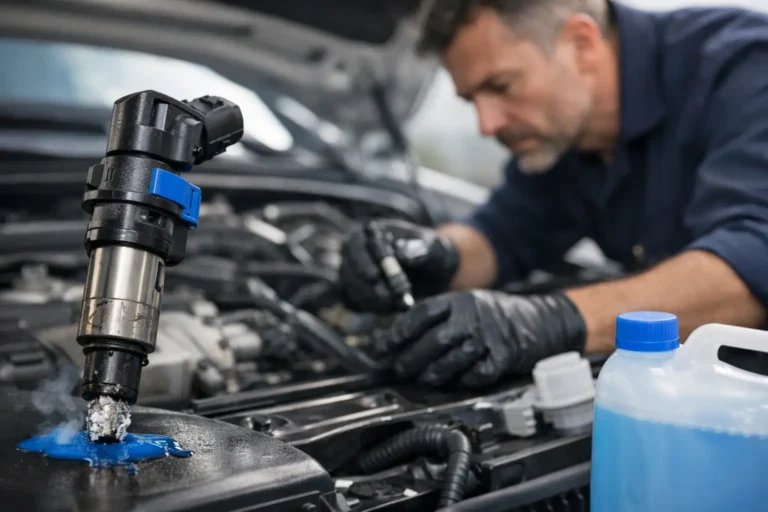
Coolant should sit between the minimum and maximum markers when the engine is cold. Never remove a coolant cap from a hot engine. If the level has dropped noticeably since its last check, arrange an inspection rather than repeatedly topping it up. Coolant does not normally disappear without a reason.
Screenwash often runs out at the most inconvenient point, particularly after motorway spray, insects or road grime. Fill it with a suitable screenwash mixture for the season, not plain water alone. Also have the brake fluid checked if it is low, discoloured or approaching its recommended replacement interval. Brake fluid absorbs moisture over time, which can reduce braking performance under repeated heavy use.
Brakes, steering and suspension should feel right
A journey with passengers and luggage increases stopping distances, so brake condition matters. Listen for squealing or grinding, feel for vibration through the pedal or steering wheel, and pay attention if the car pulls to one side while braking. A soft pedal, a brake warning light or a handbrake that no longer holds securely should be checked promptly.
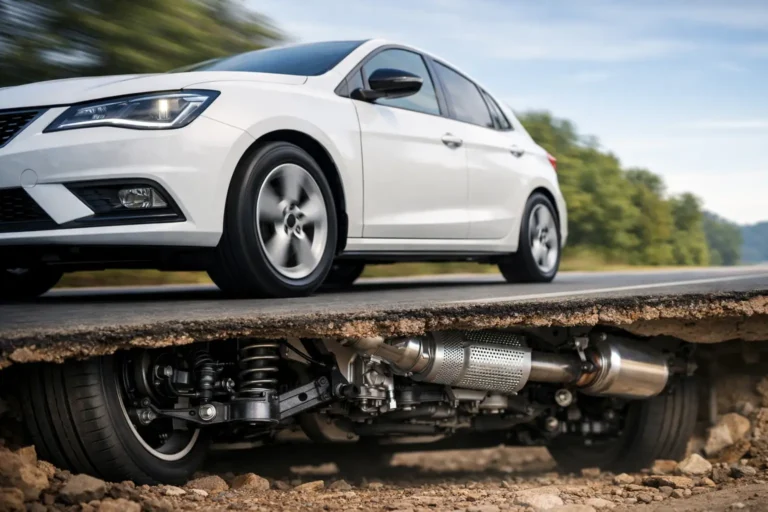
Steering should feel predictable, without excessive play, knocking or a persistent pull to one side. Suspension faults can make a car less stable, increase tyre wear and reduce comfort over distance. If the vehicle bounces excessively after a speed bump, sits lower at one corner or feels unsettled on uneven roads, have it assessed before setting off.
Do not let the battery spoil your departure
Batteries often fail after a car has been sitting unused, but hot weather, short journeys and age can weaken them too. Slow starting, dim lights, an intermittent stop-start system or electrical glitches can all be early signs.
Check that battery terminals are secure and free from corrosion. If the battery is several years old or the car has recently struggled to start, a battery health test is worthwhile. Modern vehicles depend on stable voltage for far more than starting the engine. Low voltage can trigger misleading warning lights and affect electronic systems.
For electric and hybrid vehicles, plan charging as carefully as you plan the route. Confirm your realistic range, identify reliable charging stops and allow for weather, speed, hills and a loaded vehicle. Carry the relevant charging cables and adapters where needed. If you are unsure about a high-voltage warning, reduced range or charging fault, it needs specialist attention rather than a last-minute workaround.
Make visibility and comfort part of the safety check
Clean windows, mirrors and lights improve visibility more than many drivers realise. Test headlights, sidelights, brake lights, indicators, reversing lights and fog lights with help from another person where possible. Replace worn wiper blades before they begin smearing in heavy rain.
Set the driving position properly before leaving. Your seat should support your back, your mirrors should cover the road without forcing you to lean, and your head restraint should sit at an appropriate height. Small adjustments reduce fatigue over a long day.
Air conditioning is not just a comfort feature. It helps demist the windscreen and keeps the cabin manageable in warm conditions. If it is blowing warm, smells musty or has become noticeably weak, book an air-con inspection before a summer journey. A comfortable driver is generally a more alert driver.
Pack for the road, not just the destination
There is a balance between carrying useful equipment and overloading the car. Heavy items should be placed low and secured where possible. Do not let luggage block the rear view, and remember that roof boxes and bike carriers can affect handling, fuel consumption and electric range.
Keep these practical essentials accessible rather than buried beneath suitcases:
- A warning triangle where appropriate, high-visibility clothing and a basic first-aid kit
- Drinking water, snacks, medication and mobile phone charging leads
- A torch, gloves, tyre inflator and locking wheel nut key if fitted
- Breakdown membership details, vehicle documents and emergency contact information
- Suitable child seats, plus entertainment and comfort items for younger passengers
If you are driving abroad, check the current equipment and documentation rules for every country on your route. Requirements can differ, and rules may change, so do not rely on an old packing list.
Give yourself enough time to fix small faults
The best time for a pre-trip check is at least a week before departure. That gives you time to order tyres, replace worn brakes, arrange a service or investigate a warning light without rushing into a decision. It also lets you drive the car locally afterwards to make sure everything feels right.
If your service is due soon, booking it before a long trip is usually sensible. A professional inspection can cover items that are difficult to assess at home, including brake wear, suspension components, fault codes, battery condition and fluid leaks. At AutoNet VIP, the aim is to explain any findings clearly, prioritise genuine safety concerns and give you straightforward options before work begins.
On the day, avoid setting off exhausted or trying to recover lost time with fewer breaks. Plan regular stops, share driving where possible and leave extra room for traffic. A well-prepared car makes the journey easier, but a rested driver is still the most important part of getting everyone there safely.